Small changes, real savings
Heating is one of the biggest costs in most UK households, and with Ofgem confirming the energy price cap rose by around 13% from 1 July 2026, keeping bills under control matters more than ever. The good news is that lowering your heating costs does not have to mean big spending or a chilly home. A handful of sensible changes can add up to a meaningful difference over a year.
Below are practical tips, with realistic savings figures drawn from the Energy Saving Trust. Individual results will vary depending on your home, so treat these as helpful guidance rather than guarantees.
Start with your thermostat
Your room thermostat is the single most powerful tool you have. It keeps your home at a steady temperature, switching the heating off once your chosen temperature is reached.
- Turn it down by one degree. According to the Energy Saving Trust, turning your thermostat down from 22°C to 21°C could save around £90 a year in Great Britain. You often will not even notice the difference.
- Aim for the lowest comfortable temperature. For most people that is somewhere between 18°C and 21°C.
- Do not crank it up in cold weather. A common myth is that turning the thermostat higher heats the house faster. It does not. Your home will only warm to the temperature you set, so a higher setting simply means it keeps heating for longer and costs more.
Use your heating controls properly
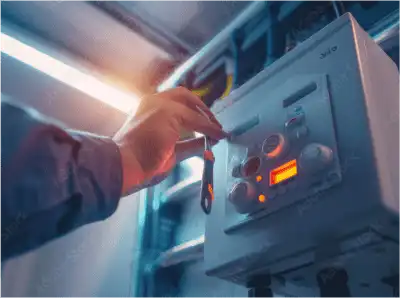
Getting the most from your controls is one of the best-value things you can do. The Energy Saving Trust suggests that installing and using heating controls effectively could save around £110 a year in Great Britain.
If you do not already have them, consider:
- A programmable room thermostat, which combines timing and temperature so your heating comes on only when you need it.
- Thermostatic radiator valves (TRVs), which let you set different temperatures room by room. There is little point fully heating a spare room nobody uses.
- Smart controls, some of which let you adjust the heating from an app while you are out, so you are not warming an empty house.
The principle is simple: heat the rooms you use, when you use them, and no more.
Keep the heat where you want it
A lot of expensive heat escapes homes unnecessarily. A few low-cost fixes help keep it in:
- Radiator reflector panels. Fitted behind radiators on external walls, these bounce heat back into the room. They cost around £13 and could lower bills by roughly £25 a year in GB.
- Draught proofing. Blocking gaps around windows and doors stops cold air sneaking in. Professional draught proofing can save around £85 a year in GB, though DIY draught-proofing strips are much cheaper and still effective.
- Insulate your hot water cylinder. If you have a hot water tank, fitting an insulating jacket could save around £40 a year in GB for a modest outlay.
Older Norfolk homes, particularly period and rural properties, can be especially draughty, so these measures often make a noticeable difference here.
Bleed and maintain your radiators
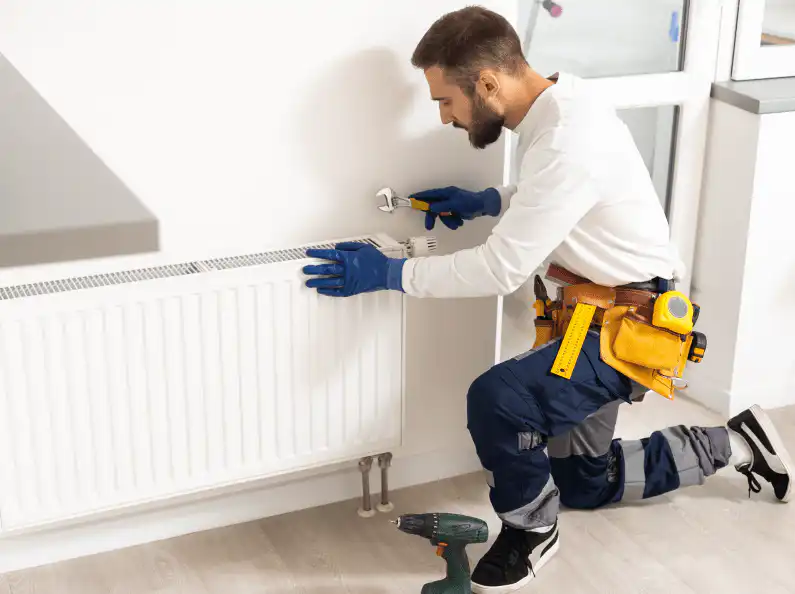
If your radiators are warm at the bottom but cold at the top, trapped air is stopping them working properly. Bleeding them lets that air out so heat circulates efficiently. It is a quick job:
- Turn the heating off and let the radiators cool.
- Hold a cloth under the bleed valve and turn the key slowly.
- Close the valve as soon as water appears instead of air.
- Check your boiler pressure afterwards and top it up if needed.
Radiators that heat evenly mean your boiler works less hard for the same warmth.
Look after your boiler
An efficient boiler uses less fuel. An annual service by a Gas Safe registered engineer helps keep your boiler running efficiently and catches small issues before they push your bills up or cause a breakdown. If your boiler is more than 15 years old and needing frequent repairs, it may be worth discussing whether a modern, more efficient replacement would pay for itself over time.
Everyday habits that help
None of these cost a penny:
- Close curtains at dusk to keep heat in, but keep radiators clear so heat can circulate.
- Turn radiators down or off in rooms you are not using.
- Only heat water when you need it rather than round the clock.
- Wrap up a little more indoors on milder days before reaching for the thermostat.
A realistic word on savings
The figures above come from the Energy Saving Trust and reflect typical Great Britain households. Your own savings will depend on your property, your habits and how your home is heated, so use them as a guide. Even so, combining several of these measures can genuinely take the sting out of your annual heating costs.
Talk to Norfolk Heating Ltd about efficient heating
If you would like advice on heating controls, a boiler service, or whether your system is running as efficiently as it could be, we are happy to help. Our Gas Safe registered team looks after homes across Norwich and Norfolk.
Call 07751 261207, email enquiries@norfolkheatingltd.co.uk, or drop in to Prestige House, Avian Way, Norwich NR7 9AR. We are open Monday to Friday, 7:30am to 5:00pm.